
Share
An unfolding archive of food, culture, and craft.
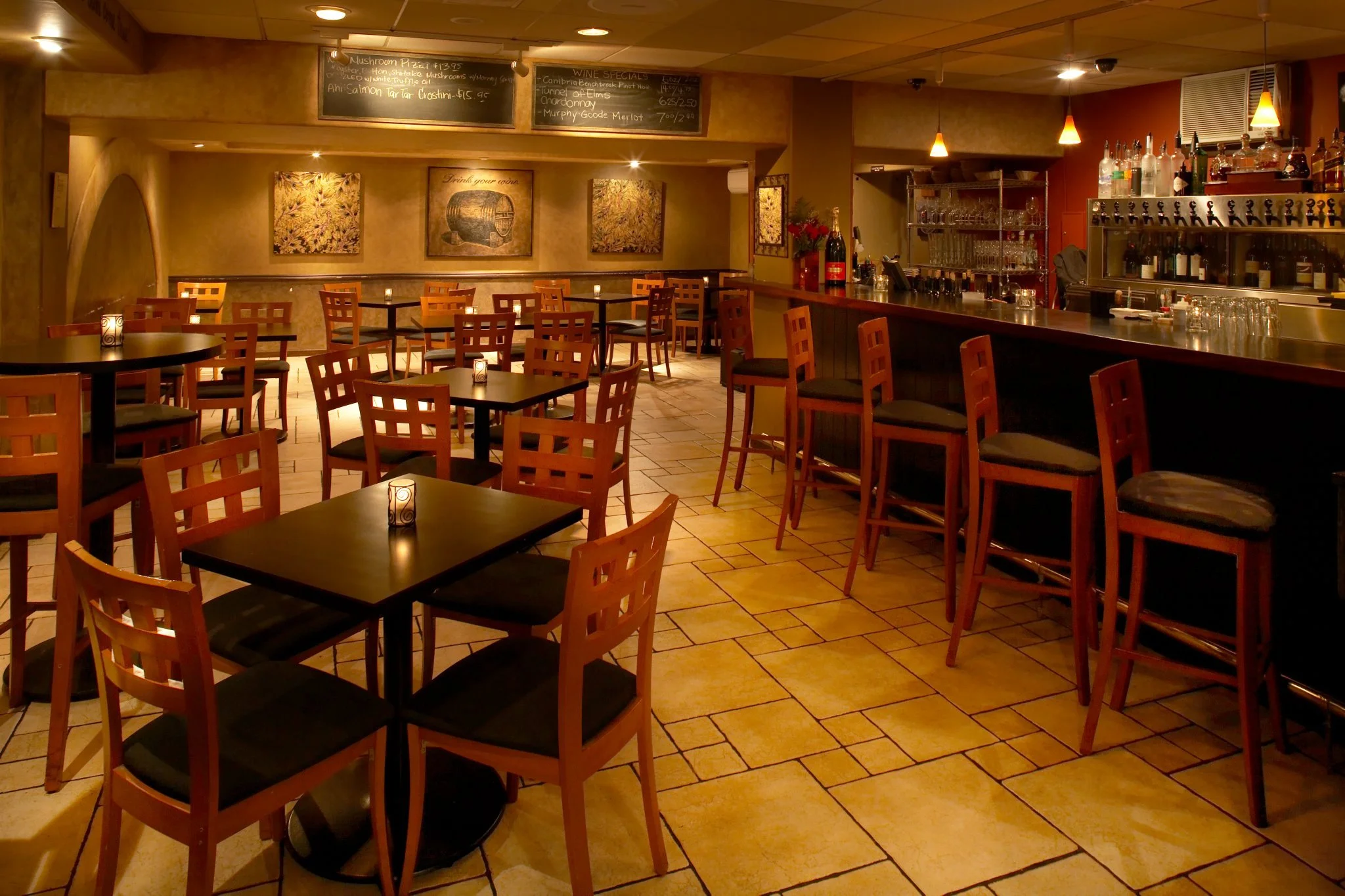

The Man Who Stayed
What happens when the most stabilizing person in the dining room refuses promotion? A fifty-year case study in mastery, institutional memory, and the hidden cost of forced advancement.

Decanting: Service, Sediment, and the Short Window of Expression
Decanting is not ritual. It is a service decision made under chemical constraint. A technical exploration of oxygen, sediment, temperature drift, and why older wines have only a brief window of peak expression.
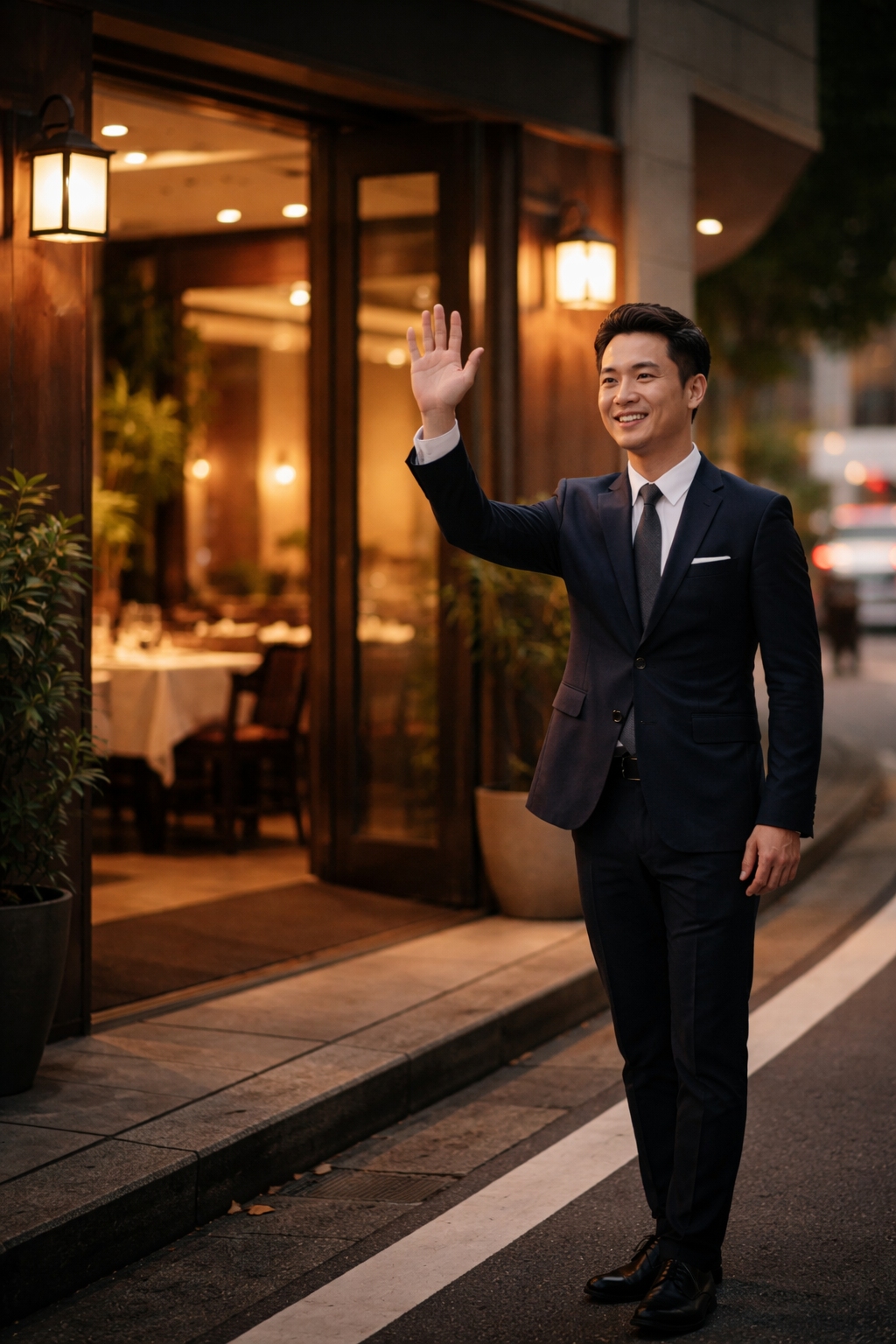
Continuity of Attention
Service does not end at payment. Continuity of attention defines how hospitality truly concludes — and whether care is withdrawn casually or intentionally.
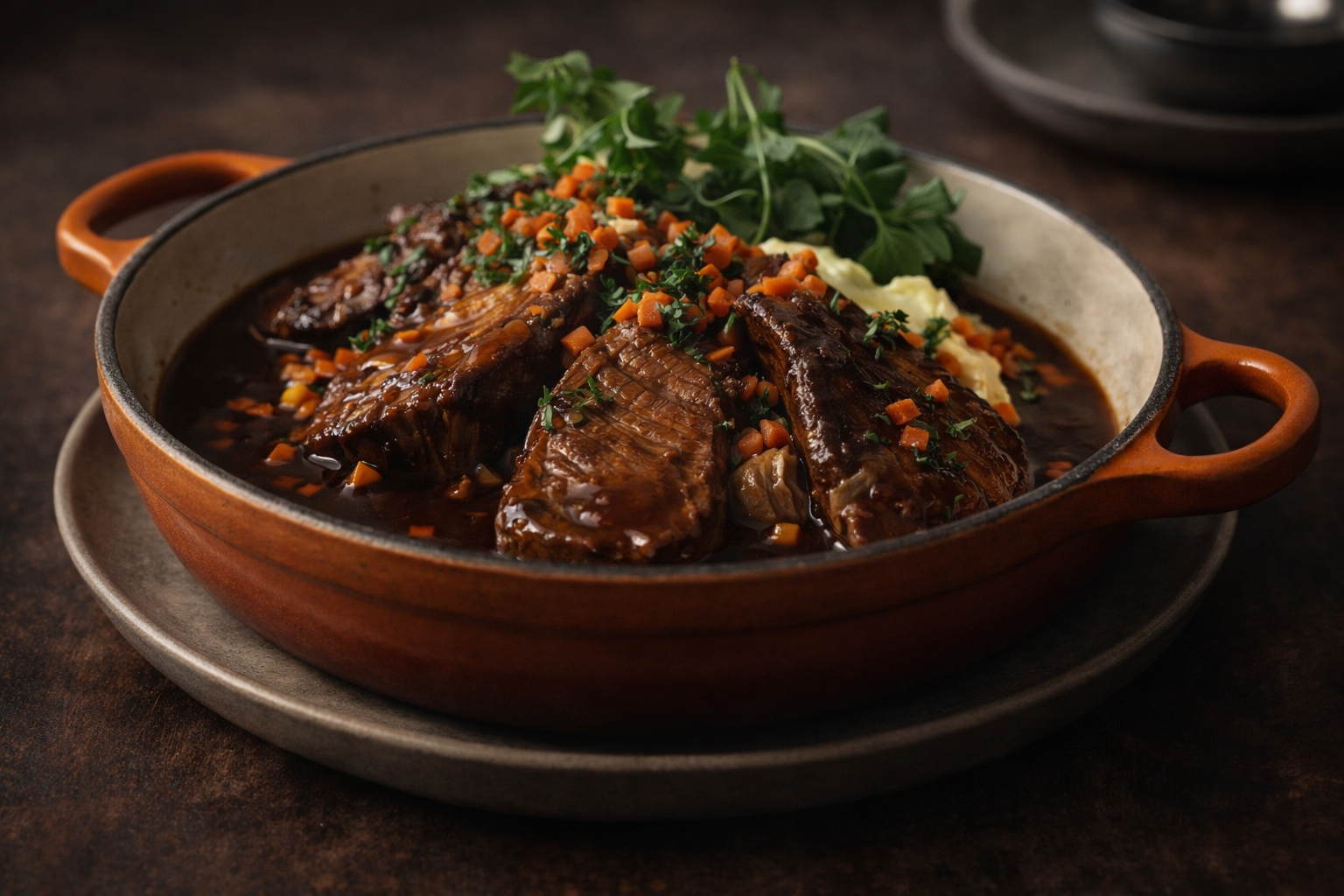
Dining in the Age of Restraint
Dining is entering an age of restraint.
Shrinking appetites. Thinner labor markets. Tighter margins.
The next decade of restaurants won’t reward excess — it will reward precision. This is not a decline. It’s a correction.
Here’s where dining is headed.

Jamoca Almond Fudge
Some flavors fade. Others endure.
Jamoca Almond Fudge isn’t nostalgia — it’s architecture.
A closer look at bitterness, restraint, texture, and why certain compositions survive both childhood and experience.

The Pour is the Final Test
A Conversation About Beer — Part III
Fermentation may define a beer’s character, but the pour defines its truth. The beer may leave the brewery flawless — yet it must survive the lines, the gas blend, the temperature, and the glass. In this final conversation, the focus turns to draft systems, carbonation, and why execution is the last and most unforgiving test of quality.

Clean is Harder Than Loud
A Conversation About Beer — Part II
In a quiet bar, a seasoned brewer explains why clean beer demands more skill than loud beer. A conversation about fermentation, restraint, and what certification can’t replace.

Balance Before Hops
A Conversation About Beer — Part I
Two men at a quiet bar. One has brewed for decades. The other wants to understand beer beyond preference. What unfolds is not a lesson — but a shift in how serious beer is defined.
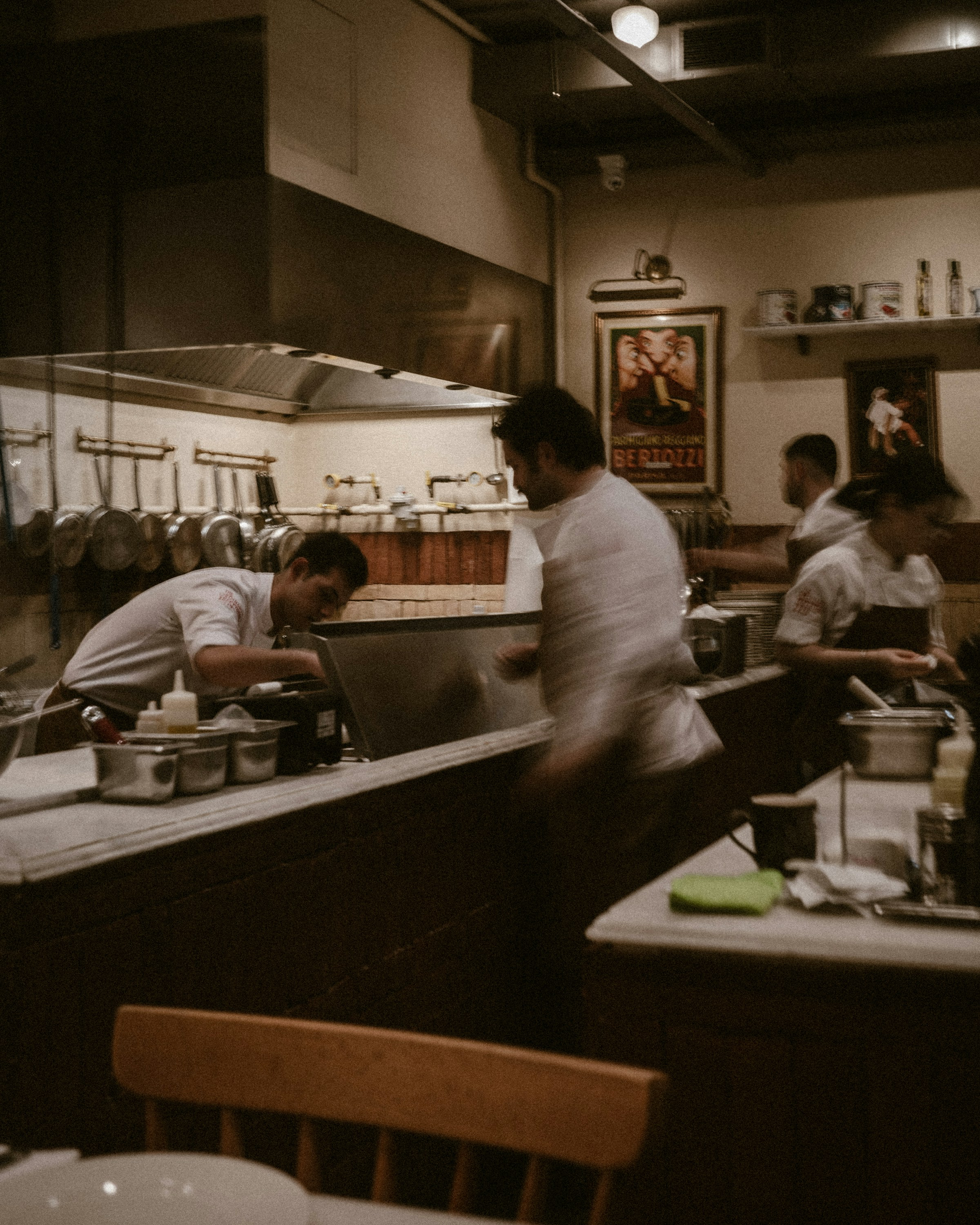
Changing a Culture Without Burning the Place Down
Culture doesn’t change because the walls change. It changes because behavior changes. A seasoned operator’s roadmap for raising standards, reducing noise, and leaving a restaurant better than it was found.
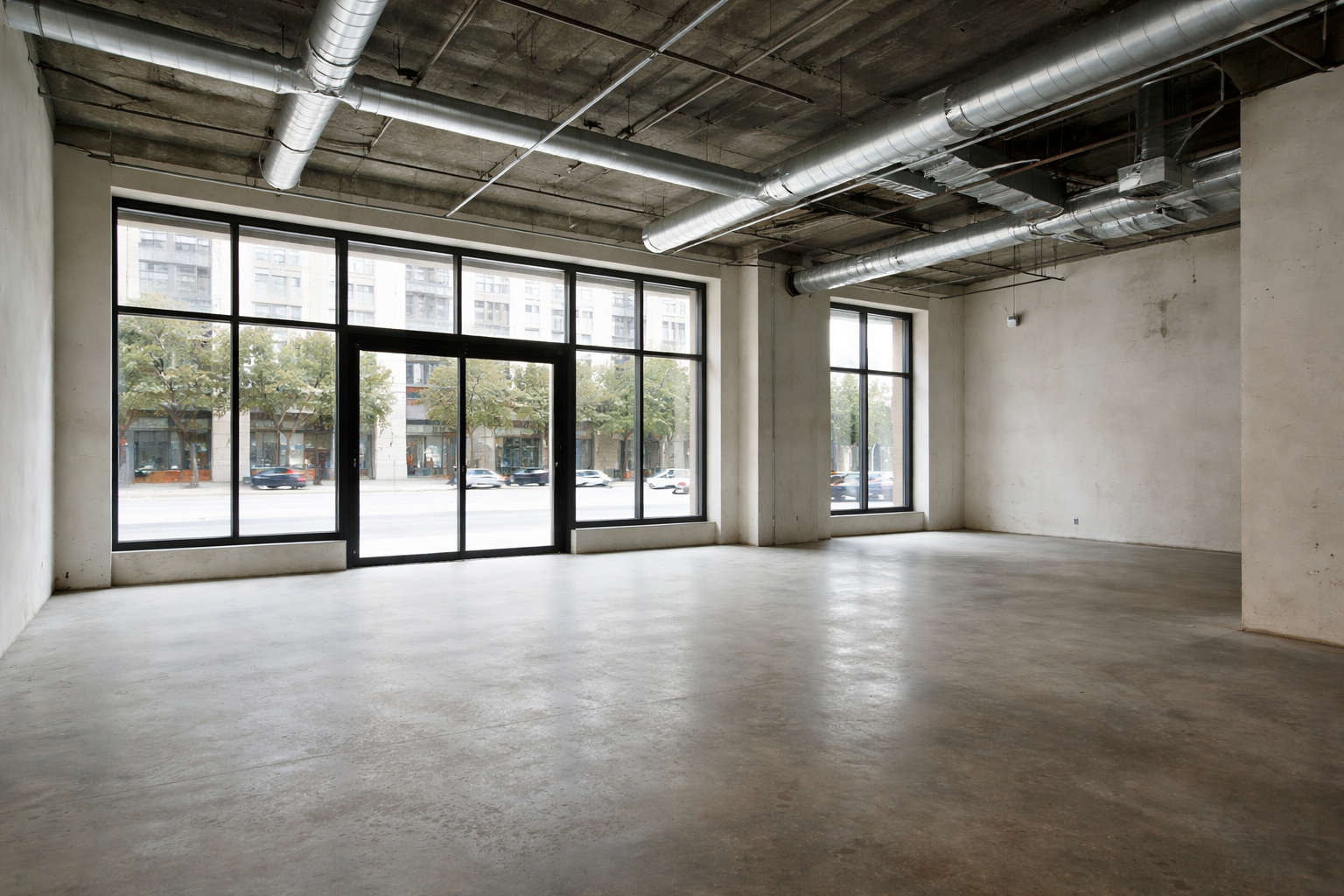
Part I: Starting with $400,000
If I were to open a restaurant today, I would not begin with cuisine. I would begin with capital, motive, and the questions most operators avoid: how long can we breathe before the room must perform — and why are we opening at all?
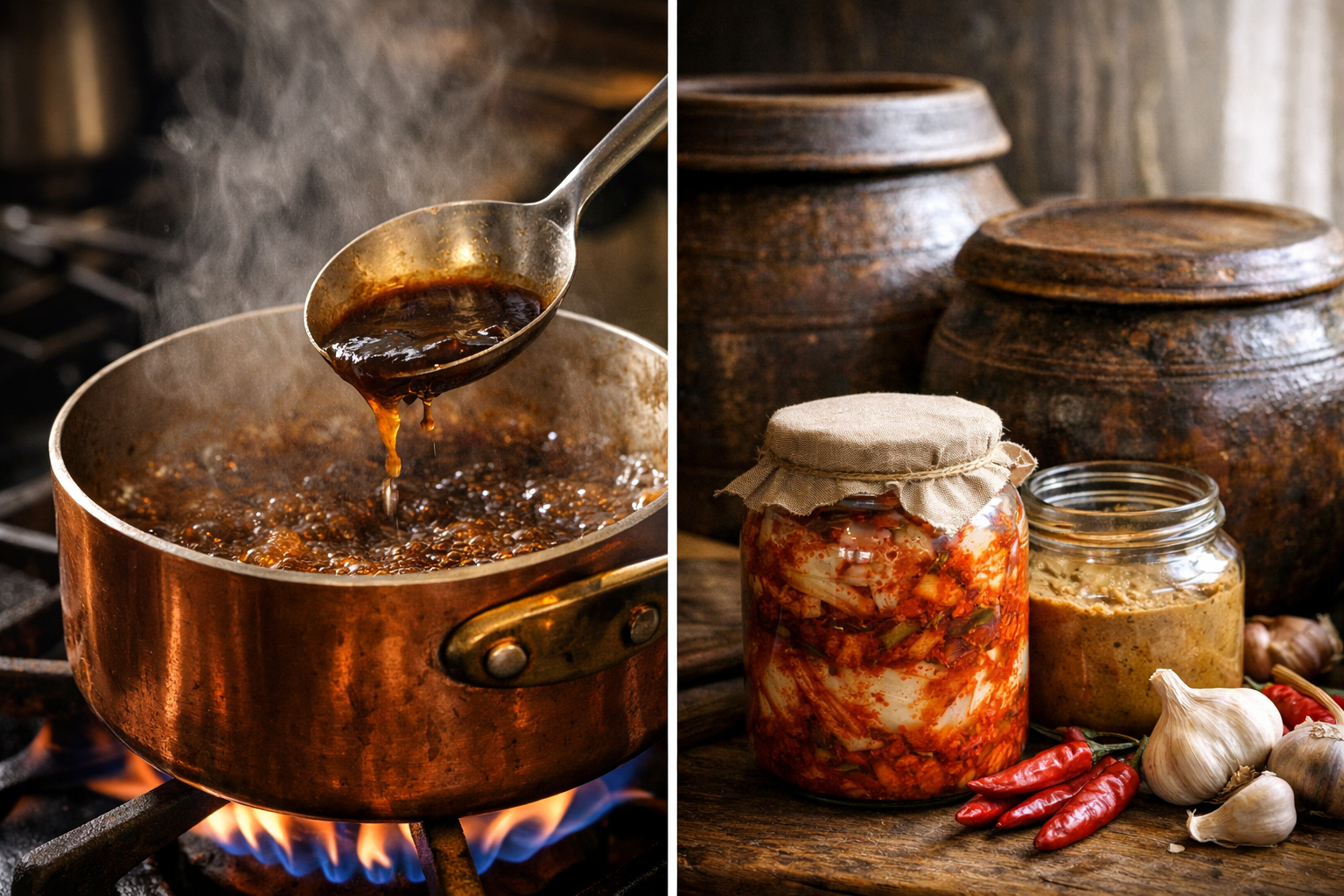
Reduction vs. Fermentation
Reduction concentrates. Fermentation distributes. Across centuries and civilizations, these two techniques shaped how flavor was built, preserved, and understood. From French demi-glace to Korean kimchi and monastery cellars to Escoffier’s kitchens, this essay traces the historical, structural, and sensory differences between heat-driven concentration and time-driven transformation — and why modern chefs use both.
Part II: Revenue Per Square Foot
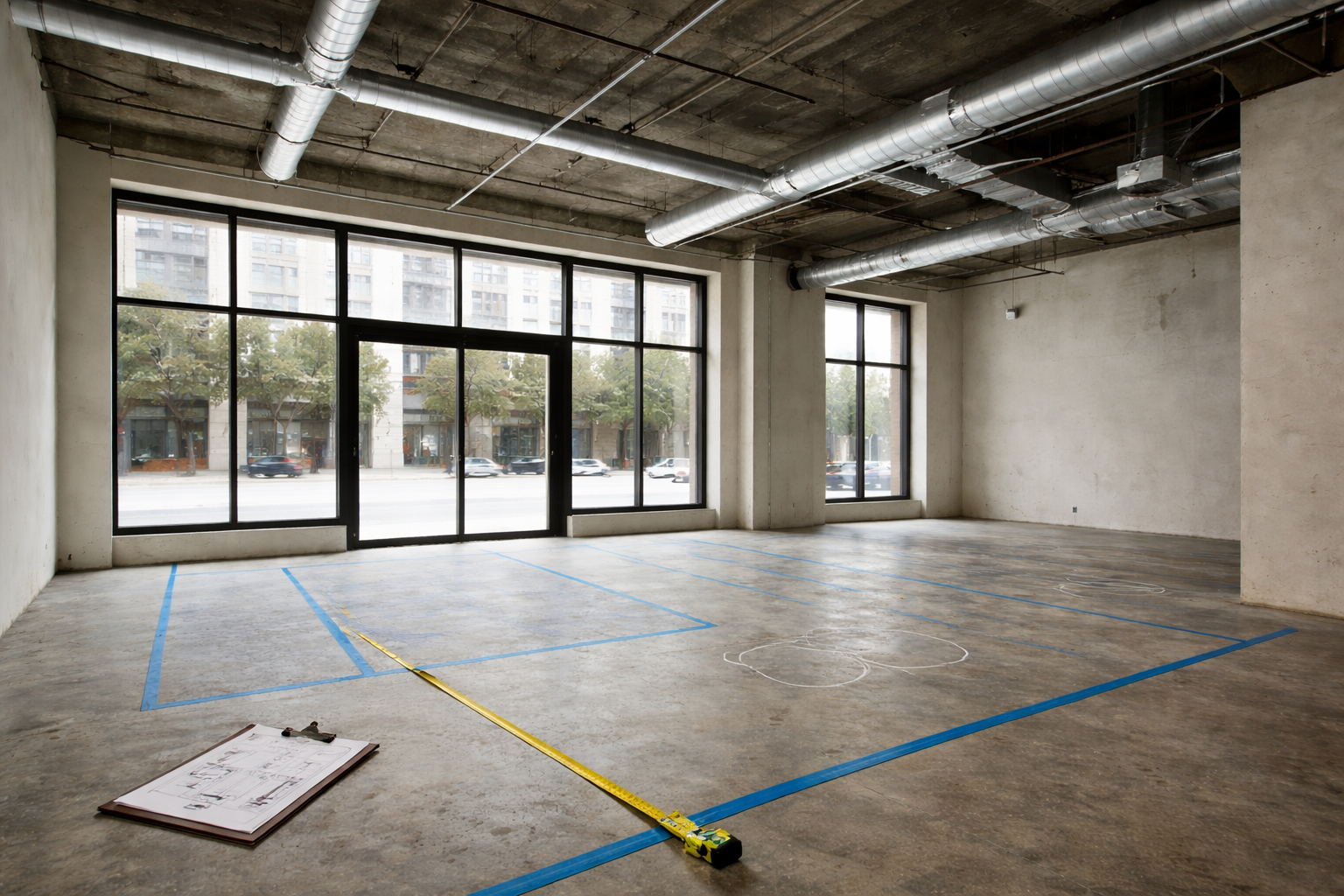
Before cuisine or concept comes constraint. examines restaurant startup costs, revenue per square foot, lease realities, build-out exposure, and what an independent restaurant must actually earn to survive.
French Oak vs. American Oak
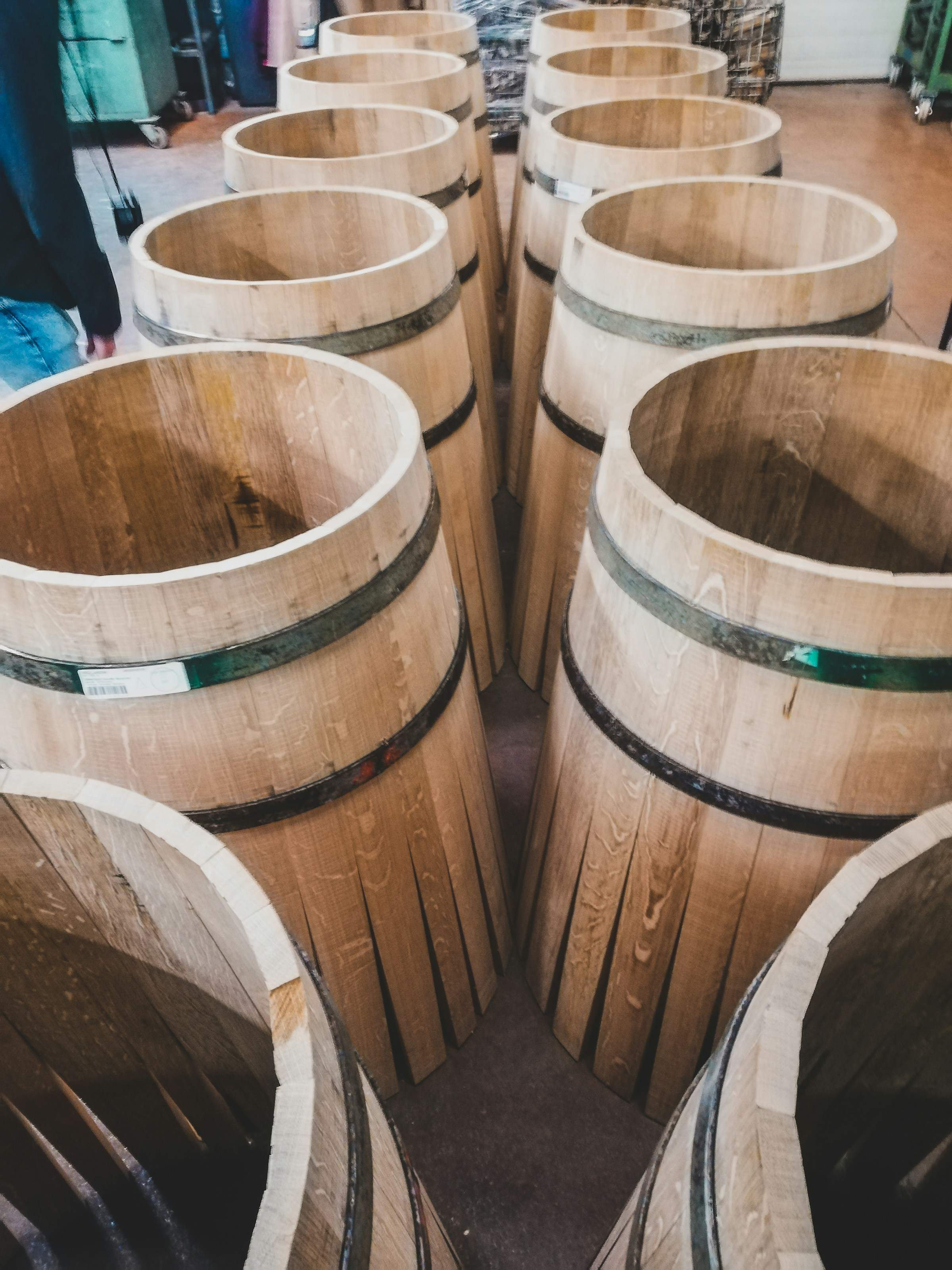
French oak and American oak do not decorate wine — they condition it. Shaped by different forests, growth rates, and structures, each influences how wine breathes, ages, and reveals itself over time. This is not a question of better or worse, but of intention.

Part III: Capital & Control
If $400,000 cannot build the room we want, the next decision is not culinary. It is structural. Debt preserves control but compresses timing. Equity softens pressure but redistributes authority. Before opening the doors, we must decide who governs the future of the restaurant — and which version of ourselves is signing the agreement.

When “I’m a Vegan” Enters the Room
A vegan guest enters a fine-dining room not designed for vegan cuisine. What follows isn’t conflict, but a test of listening, clarity, and pride of execution — where service reveals itself most clearly.
Veganism: What the Body Learns Over Time
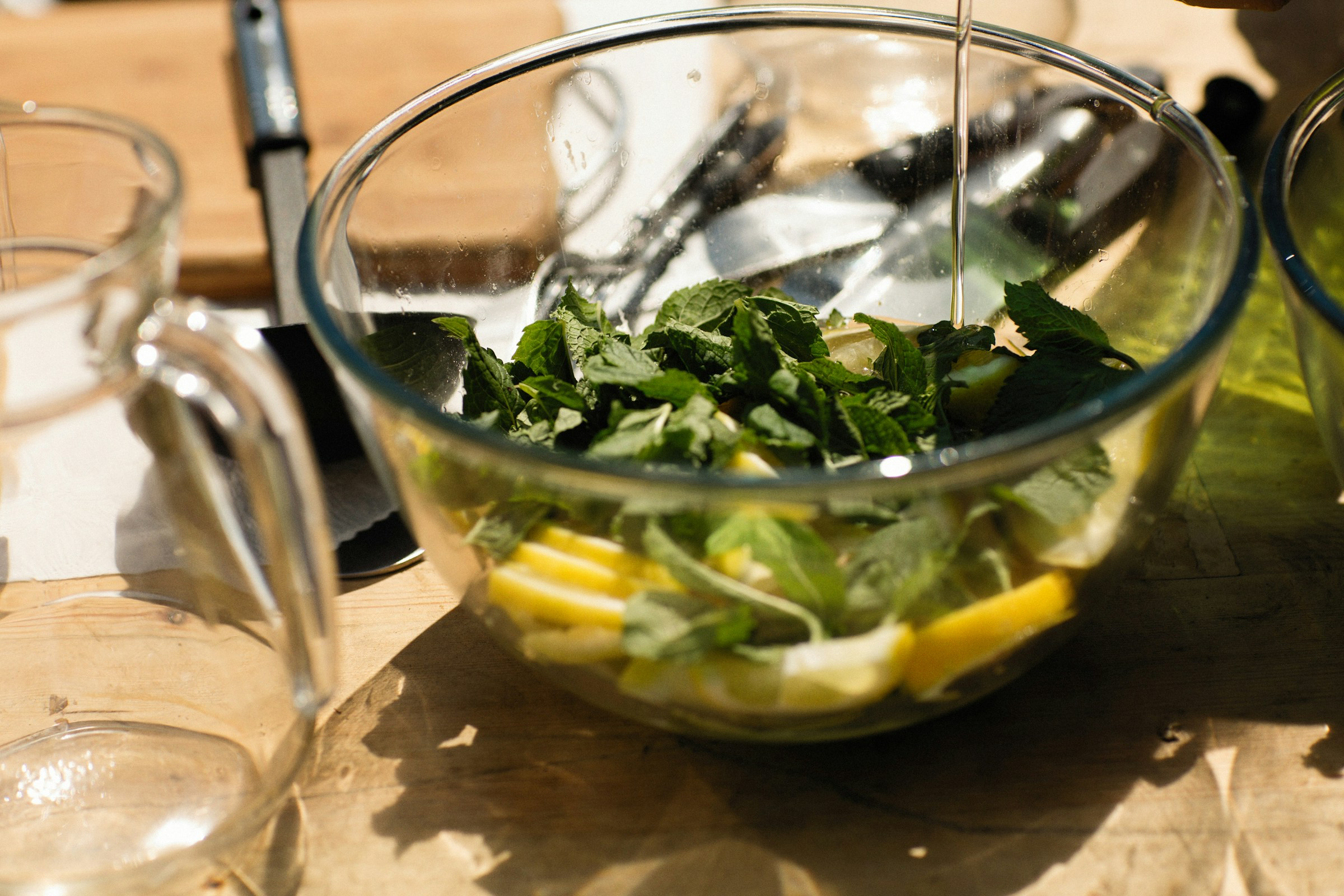
Veganism is often framed as a belief. This essay treats it as a biological question—following the human body through adaptation, adequacy, and time to understand when plant-based eating holds, and when it quietly asks for adjustment.
Are Soybeans Really Healthy?
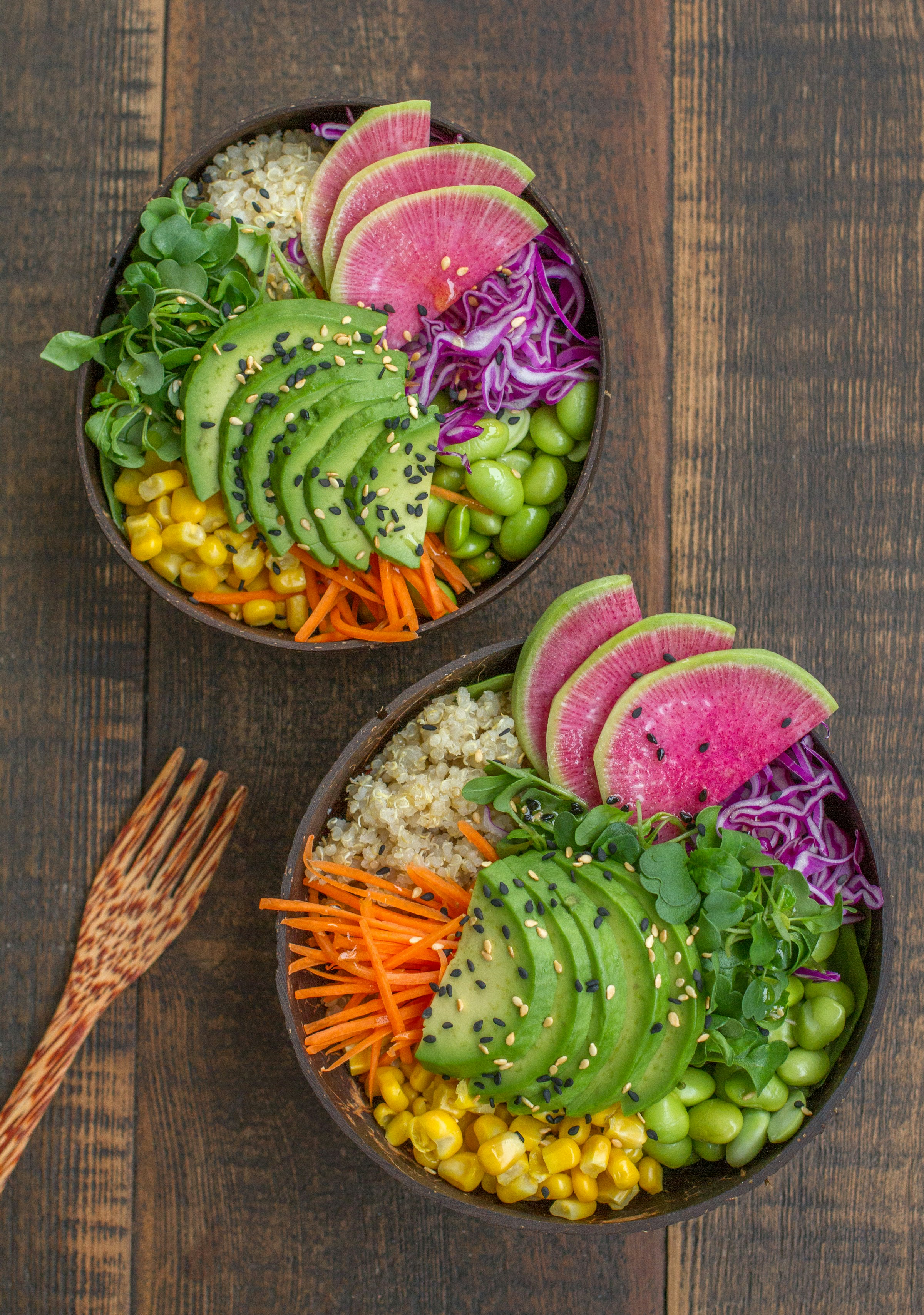
Soybeans rarely announce themselves, yet they appear again and again in cuisines built for longevity. This essay explores how soy works in the body, why fermented forms matter, and what happens when a food designed for repetition becomes part of daily life.
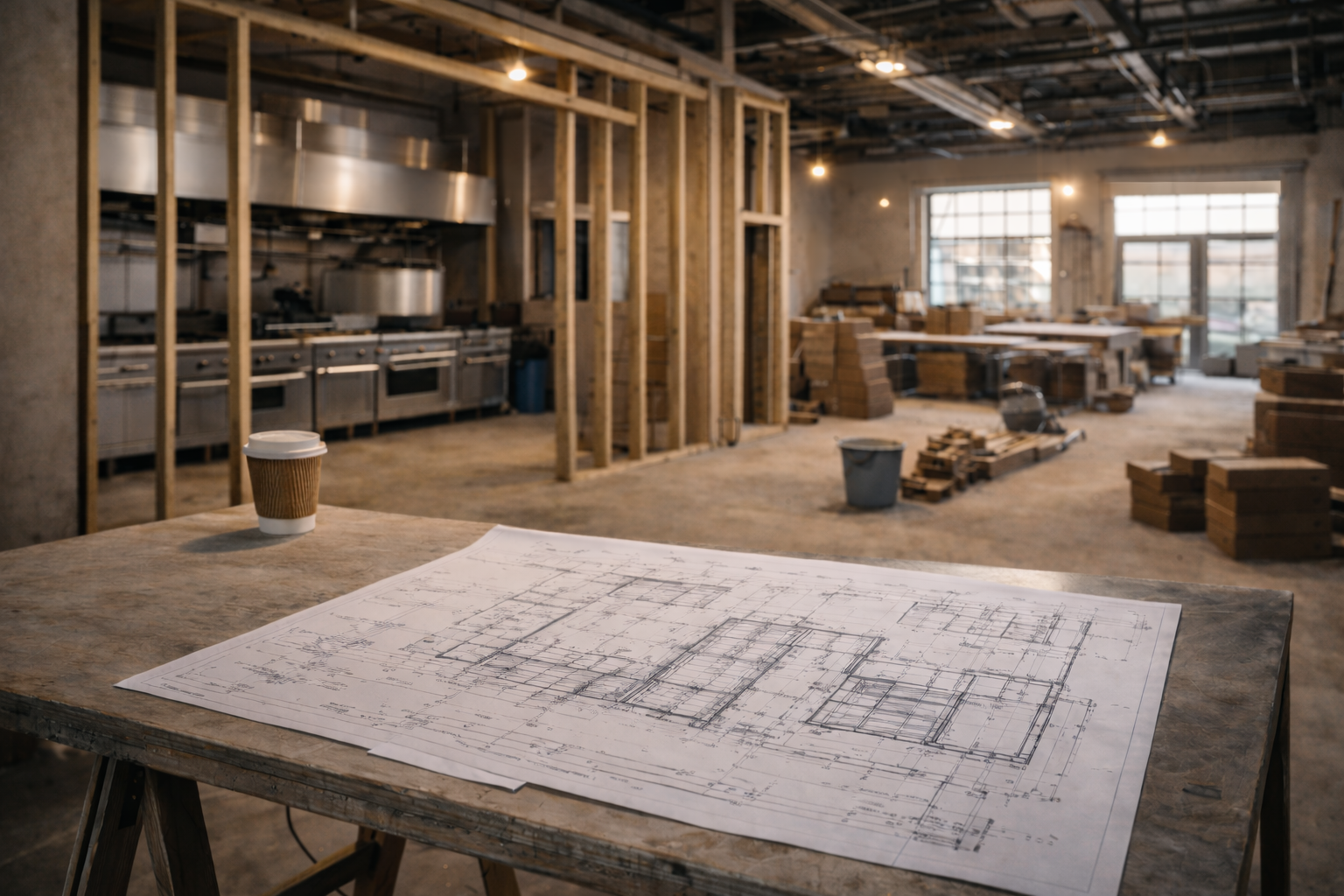
Part IV: The Menu Before the Walls
Restaurant menu planning is never theoretical. Kitchen size, square footage, and startup capital determine what an independent full-service restaurant can realistically execute — and survive.
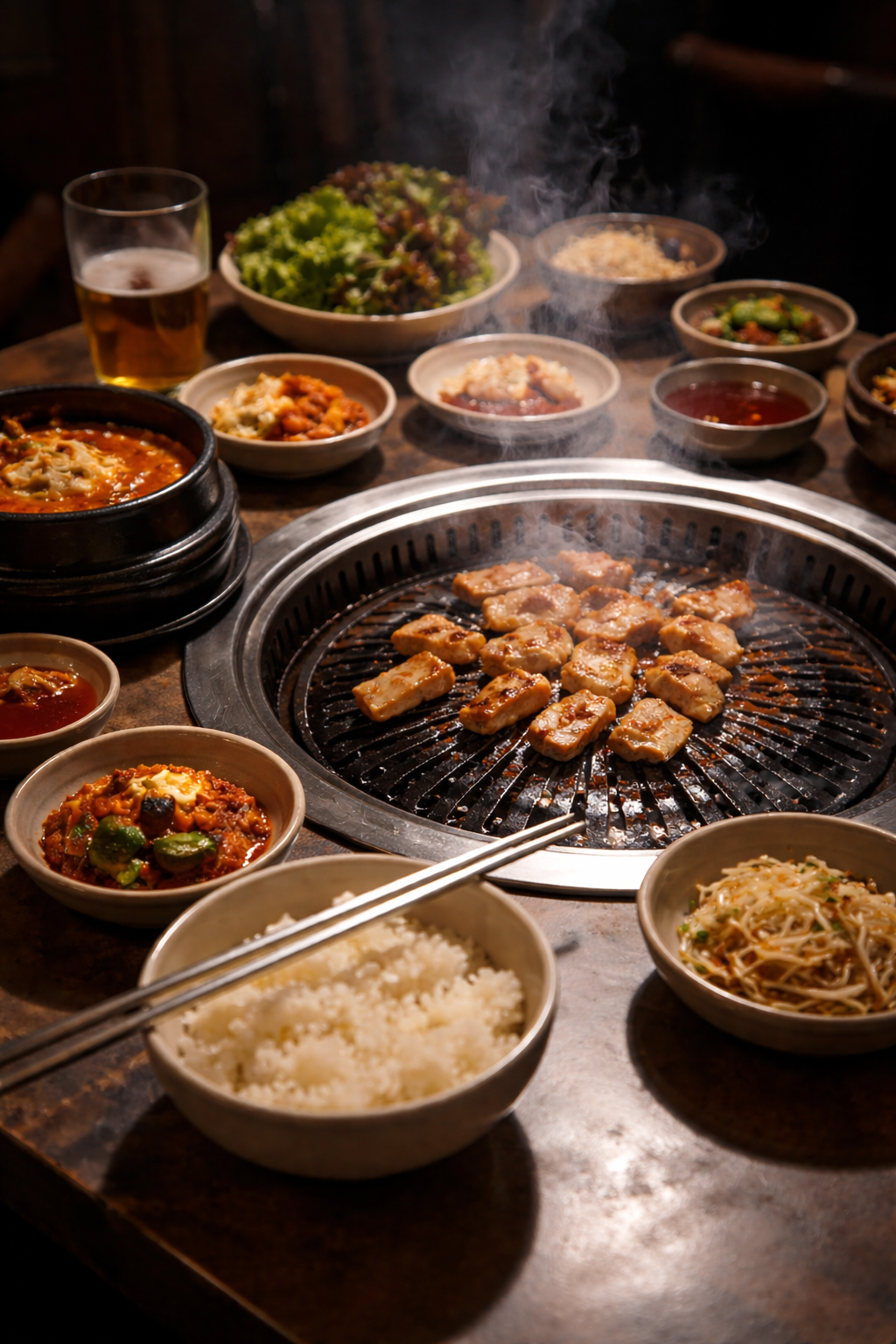
The Next Bite
Korean food is not meant to bring the meal to a close. It is meant to keep it moving. From soup to grill to rice to banchan, each bite clears space for the next — allowing appetite to scale without fatigue. This is cuisine built for repetition, timing, and pleasure that holds.
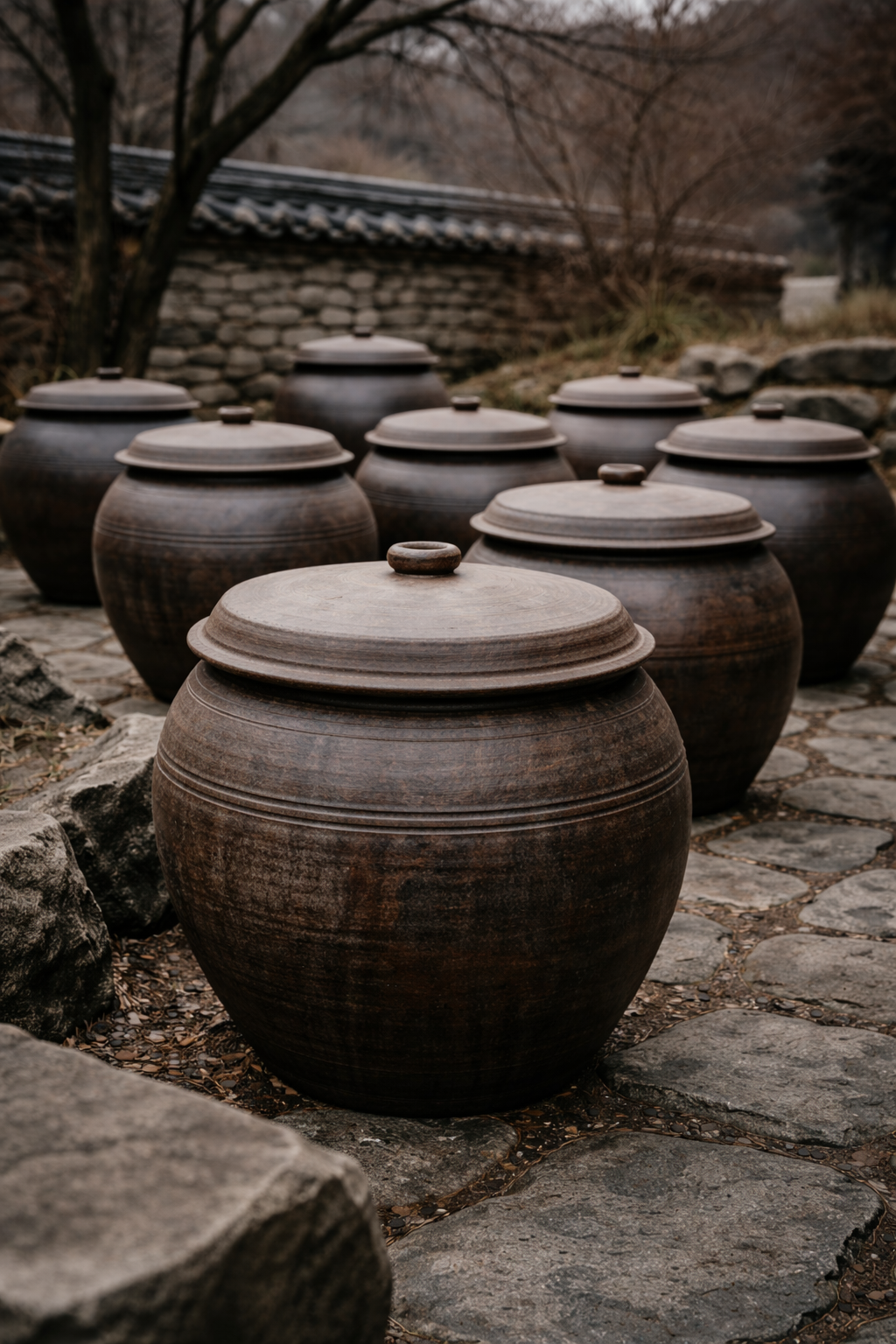
A Cuisine Built for Winter
Korean cuisine is not organized around immediacy or spectacle. It is engineered for winter, storage, and repetition — a system built to preserve flavor, regulate appetite, and endure daily life long after freshness disappears.